
A Romantic Dinner Cruise Experience in Amsterdam
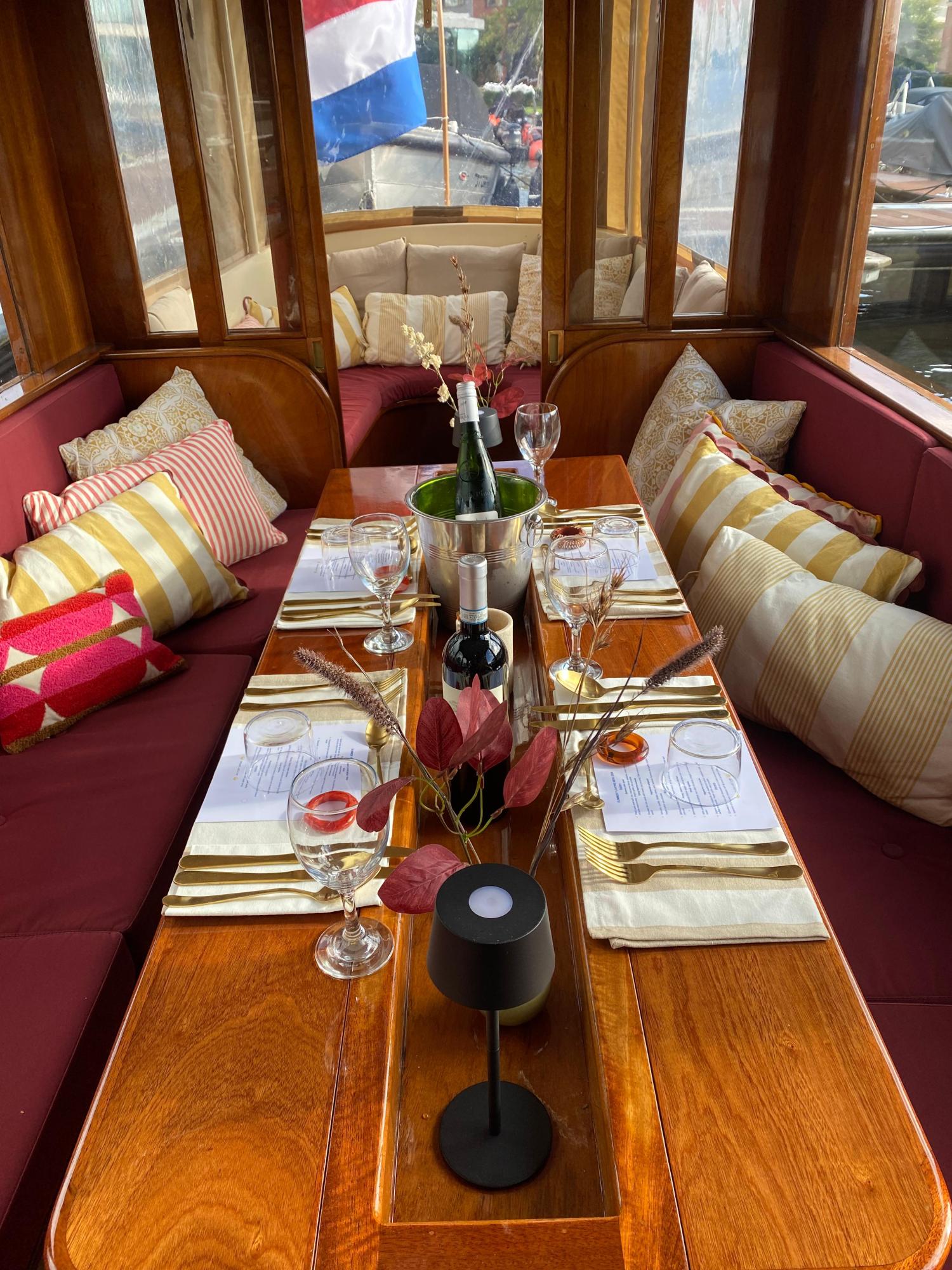
A dinner cruise in Amsterdam offers a perspective on the city that is fundamentally different from walking its streets or cycling its bridges. From the water, Amsterdam unfolds slowly and quietly, revealing layers of history, architecture, and daily life that are often missed on land. Combining this setting with a meal turns a simple canal cruise into an immersive romantic and cultural experience.
-
salonboot Leaudine dinner cruise
-
private boat Leaudine dinner cruise
-
dinner cruise Amsterdam
The City Seen from the Water
Amsterdam was built around water. Its canals were designed not only for transport and defense, but also as a carefully planned urban system. Cruising through the canals makes this design immediately visible. The narrow houses, leaning slightly forward, were constructed with water access in mind, allowing goods to be lifted directly from boats into upper floors.
Many dinner cruises pass through the Canal Ring, a UNESCO World Heritage Site dating back to the 17th century. As daylight fades, the reflections of historic façades, bridges, and houseboats shimmer on the water, creating a calm, almost theatrical atmosphere.
What Defines a Dinner Cruise?
Unlike a standard sightseeing cruise, a dinner cruise is slower and more deliberate. The focus is not only on landmarks but also on comfort, timing, and ambiance. Boats used for dinner cruises are typically enclosed and heated, making them suitable year-round, while large windows ensure uninterrupted views.
Meals are served either freshly prepared on board or catered from local kitchens. Menus often emphasize seasonal ingredients and Dutch or European cuisine, though offerings vary widely. The pace of the cruise allows guests to eat between stretches of quiet observation, rather than rushing through courses.
Evening Atmosphere and Rhythm
The evening hours are when Amsterdam’s canals feel most intimate. Traffic on the water decreases, and the city’s lighting takes over from the sun. Street lamps, illuminated bridges, and softly lit houseboats create a layered glow along the canals.
This rhythm naturally complements a romantic dinner setting. Courses align with different parts of the route, and pauses at bridges or wider canals often coincide with moments of conversation or silence. The movement of the boat adds a gentle, continuous background motion that many people find relaxing.
Historical Context Along the Route
A dinner cruise is also an informal history lesson. Passing neighborhoods like the Jordaan or the former merchant districts highlights how the city evolved economically and socially. Warehouses converted into homes, grand canal houses built by trading families, and former shipyards repurposed for modern use all tell a story of adaptation.
Because the canals were once Amsterdam’s main arteries, nearly every building along the water has a reason for being there. Seeing these structures from their original access point—the canal itself—adds context that plaques and guidebooks often cannot fully convey.
A Social and Cultural Experience
Dinner cruises attract a mix of visitors: tourists looking for a memorable evening, locals celebrating milestones, and residents rediscovering their own city. Unlike restaurants, where attention is fixed inward, a dinner cruise constantly draws focus outward, encouraging shared observation and discussion.
This makes the experience inherently social, even without organized entertainment. Conversations naturally shift between the food, the scenery, and the passing city. Silence is equally acceptable, as the surroundings often speak for themselves.
Practical Considerations
Most dinner cruises last between two and three hours, allowing enough time to cover a meaningful route without feeling rushed. Seating arrangements vary, from communal tables to smaller, more private setups. Accessibility, menu options, and routes differ by operator, so the experience can range from casual to refined.
Weather plays a role as well. While rain rarely disrupts a cruise, seasonal differences affect both views and atmosphere. Summer evenings offer long twilight hours, while winter cruises emphasize interior warmth and city lights reflected on dark water.
Seeing Amsterdam Differently
A dinner cruise does not replace walking through neighborhoods or visiting museums, but it adds another layer to understanding Amsterdam. It reveals how closely daily life has always been tied to water and how the city continues to balance history with modern living.
For those interested in urban design, maritime history, or simply experiencing the city at a slower pace, a dinner cruise offers a thoughtful and visually rich way to spend an evening—one where the journey is as important as the destination.
- Geplaatst in:
- BLOG - English